The short answer
- Small businesses with aggregated turnover under A$10 million can deduct the full cost of an asset that costs less than A$20,000 in one year, instead of depreciating it over several. The limit applies per asset.
- The A$20,000 limit is now permanent from 1 July 2026. The ATO says the measure is law.
- The deduction falls in the year the machine is first used or installed ready for use. Paying a deposit, or getting the invoice, before 30 June isn't enough.
- Most new 1-tonne mini excavators cost well under A$20,000, even with GST included.
- It's for businesses, including farming businesses, not hobby use. Check your situation with your accountant before you rely on it.
General information, not tax advice. Based on ATO guidance checked on 13 November 2026.
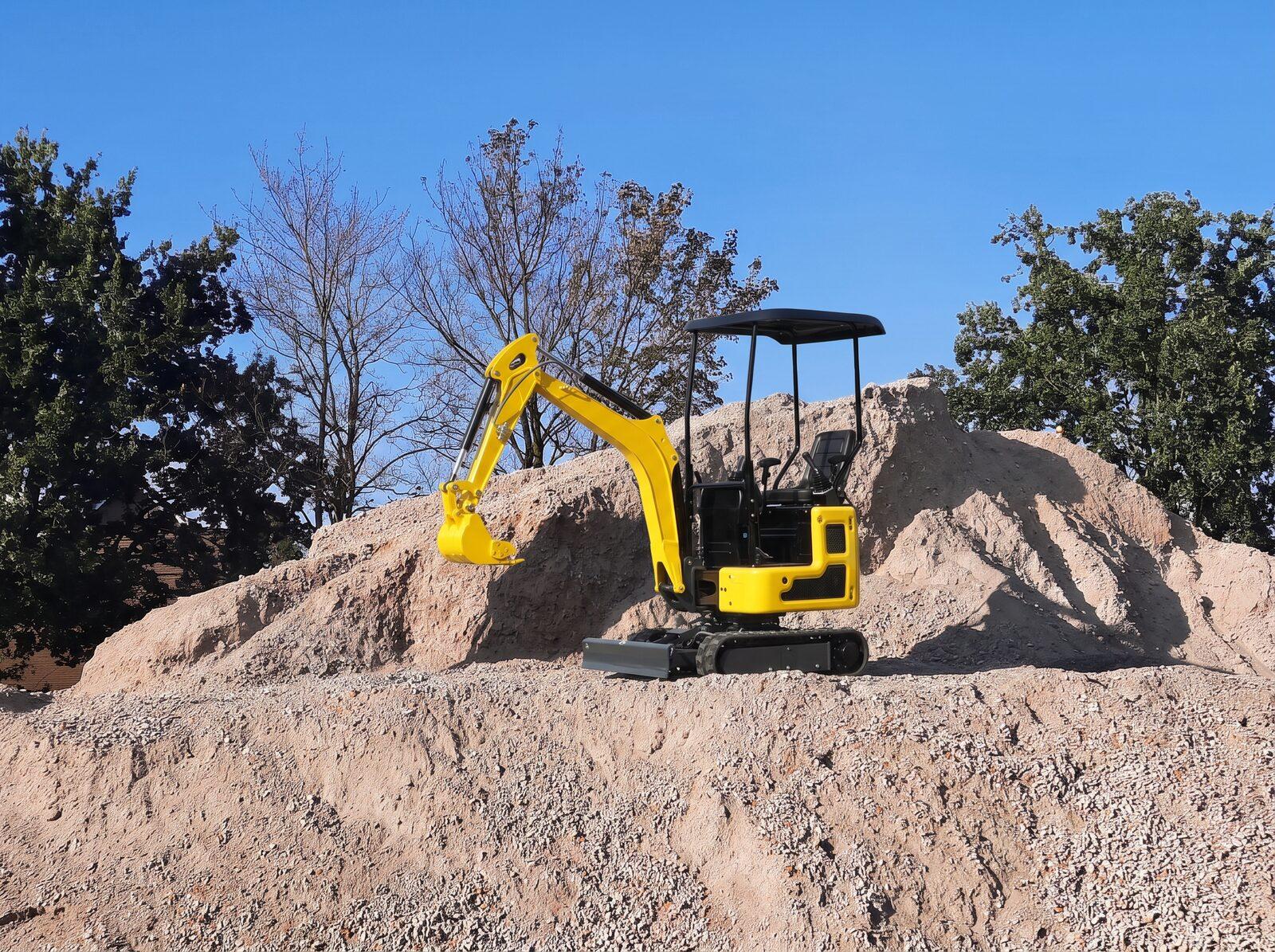
If you're buying a digger for a business, whether that's a farm, a landscaping or fencing business, or a trade, the instant asset write-off can bring a full year's deduction for the machine forward into the year you buy it. Australian searches for it roughly double in May and June, Google's search data shows, as people race the end of the financial year. This guide explains how it applies to a mini excavator, using the ATO's own rules, and where buying an imported machine changes things.
How the write-off works
Normally a business claims a machine's cost bit by bit over several years as depreciation. Under the instant asset write-off, an eligible small business claims the whole business-use cost in the year the asset is first used or installed ready for use, provided the asset costs less than A$20,000.
- Per asset. The ATO: "The $20,000 limit under the measure applies on a per asset basis, so small businesses can instantly write off multiple assets."
- New or second-hand. Both qualify.
- Permanent. The limit was A$20,000 for 2024-25 and 2025-26. Making it permanent from 1 July 2026 was announced in the 2026-27 Budget and passed by Parliament in August 2026. The ATO's page, updated 27 August 2026, says "This measure is now law."
- Assets of A$20,000 or more go into the small business pool, depreciated at 15% in the first year and 30% each year after. A pool balance under A$20,000 at the end of a year can be written off.
It isn't free money. It moves the deduction earlier rather than making it bigger, and the cash benefit is the deduction multiplied by your tax rate.
Who can use it
| Requirement | What it means for a digger |
|---|---|
| You carry on a business | A farming business counts. A hobby doesn't: the ATO's primary producer guidance says you're not running a business if the activity is better described as a hobby or recreation. |
| Aggregated turnover under A$10 million | Turnover of your business plus connected and affiliated entities. |
| You use the simplified depreciation rules | If you opted out in the past, the rule that kept you out for five years is suspended until 30 June 2027. |
| The asset costs less than A$20,000 | Tested on the whole cost, even if you only use part of it for the business (see below). |
| It's first used or installed ready for use in that year | For a 30 June claim, the machine has to be on site and able to work by 30 June. |
The 30 June rule: count back from delivery
The year the deduction lands in depends on when the asset is first used or installed ready for use, not when you order, pay or receive the invoice. A machine paid for in June but delivered in July falls into the next financial year.
So the date that matters is delivery. A machine from a dealer's yard can be on your property in days. One built to order and shipped from overseas needs much longer, often 8 to 10 weeks from deposit to door. Working back from 30 June:
Ordering a built-to-order machine for a 30 June 2027 claim
Worked examples
These use round prices typical of a new 1-tonne digger. The deduction is the cost of the machine used for business. The cash you save is that deduction times your tax rate: 25% for a small company that's a base rate entity, or your marginal rate if you farm or trade as an individual.
| Buyer | Cost tested against A$20,000 | Under the limit? | Saving at a 25% company rate |
|---|---|---|---|
| GST-registered, A$12,000 machine (incl GST) tests the GST-exclusive cost | A$10,909 | Yes | A$2,727 |
| Not registered for GST, A$12,000 machine tests the GST-inclusive cost | A$12,000 | Yes | A$3,000 |
| GST-registered, A$16,500 machine (incl GST) tests the GST-exclusive cost | A$15,000 | Yes | A$3,750 |
| Not registered for GST, A$16,500 machine tests the GST-inclusive cost | A$16,500 | Yes | A$4,125 |
Our arithmetic, rounded to the dollar. Assumes 100% business use, that the delivered price is the asset's full cost and, for registered businesses, that the full GST credit can be claimed. Not tax advice.
Without the write-off, the same business would still get the deduction, spread over the machine's life through depreciation or the pool. The write-off's value is getting it all in the first year.
GST and the cost you test
The ATO's rule on which figure to test against the A$20,000 limit:
- Registered for GST and entitled to the full GST credit: use the cost without GST.
- Not registered for GST: use the cost including GST.
- Entitled to part of the credit: reduce the cost by the part you can claim.
For a 1-tonne digger this rarely decides anything, because even the dearer Kubota-engined machines are usually under A$20,000 with GST included. It matters more if you add a trailer or a large attachment package to the same purchase.
If the machine is imported
The ATO counts in the cost what you paid for the asset plus what you spent on transporting it and installing it ready for use. A single price delivered to your door makes this simple: that price is the figure you and your accountant start from.
GST on an imported machine is paid at the border, and the ATO's rule is that the importer claims it back, provided the goods are brought in for a creditable purpose. Customs brokers and freight forwarders can't claim it. If you're GST-registered, your accountant will want three answers from whoever sells you an imported machine:
- Who is the importer on the customs declaration?
- How is the GST on the machine paid, and what paperwork will show it?
- What will the invoice show as the price, freight and GST?
Getting these before you order makes the paperwork straightforward. We give them in writing with every quote. Until your quote says otherwise, it's safest to test the GST-inclusive price against the A$20,000 limit.
Private use, second-hand machines and finance
If you also use it around the house
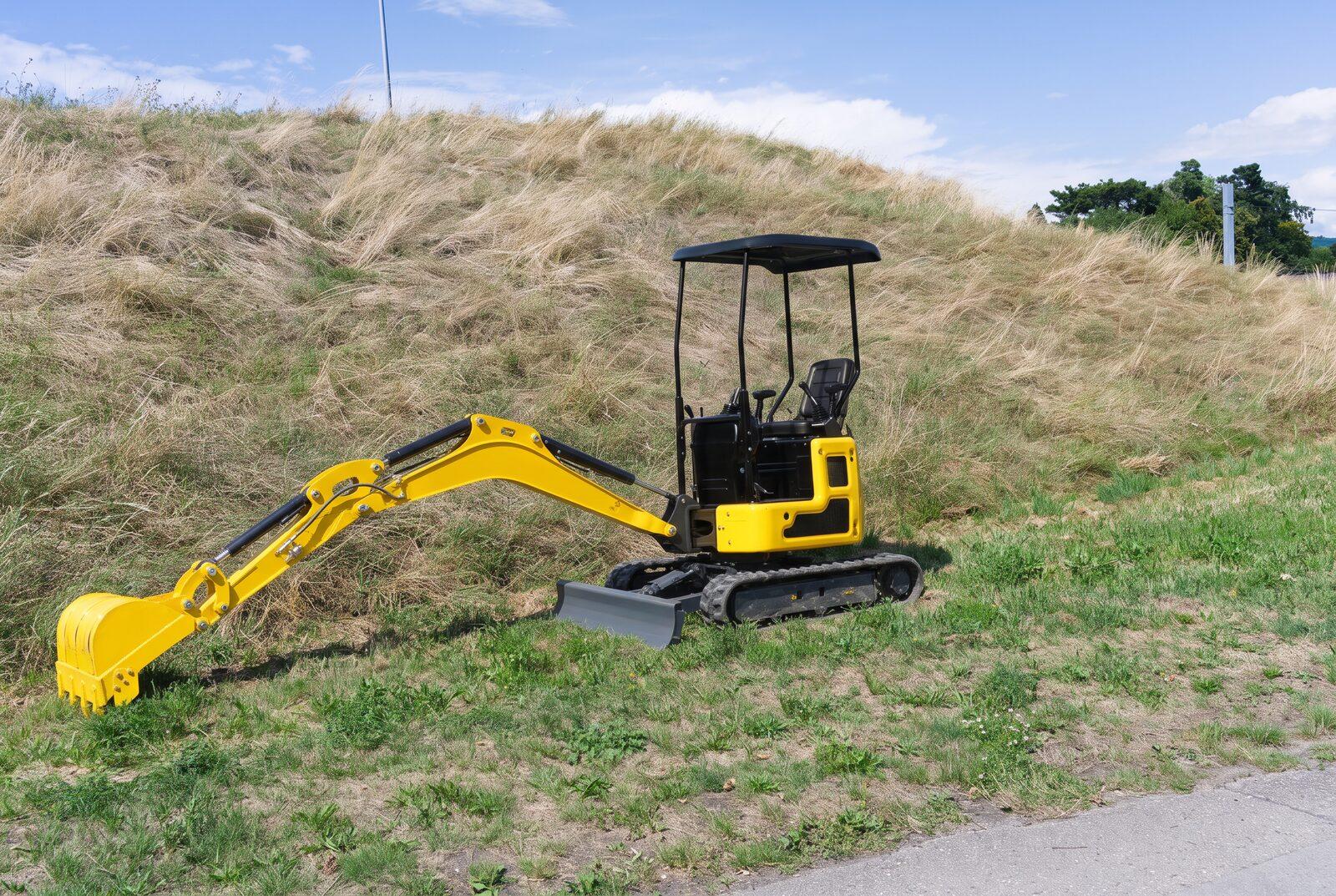
You can only claim the business share. But the whole cost still has to be under A$20,000 to use the write-off. The ATO's example is a A$40,000 ute used 40% for business: it can't be instantly written off even though the business share is A$16,000, because the asset itself costs more than the limit. A A$16,490 digger used 70% for the farm and 30% at home would pass the test, with a deduction of 70% of its cost.
Second-hand machines
Second-hand assets qualify on the same terms as new ones.
Buying on finance
Who claims the deduction depends on who owns the asset for tax purposes. Under a chattel mortgage or hire purchase the business is generally treated as the owner and can claim it. Under a lease, the financier usually is. The ATO doesn't spell this out for each finance product on its write-off pages, so ask your accountant and lender before you sign.
Primary producers
The ATO notes that for some primary production assets you can choose between the general depreciation rules and the simplified rules. Primary producers also have separate deductions for things like fencing and water facilities, which this guide doesn't cover.
Checklist before you buy
- Confirm with your accountant that the business is eligible and uses the simplified depreciation rules.
- Work out the cost to test (with or without GST) and check it's under A$20,000.
- Get a written delivery date that lands before 30 June, with time to spare.
- For an imported machine, get the importer and GST answers in writing.
- Keep the invoice, proof of payment, delivery record and the date you first used the machine.
Both of our 1-tonne machines, the PD12 and the PD10, cost under A$20,000 delivered, GST included.
Common questions
Can I claim a mini excavator under the instant asset write-off?
Yes, if your business is eligible, the machine costs less than A$20,000 on the right GST basis, and it's installed ready for use by 30 June of the year you claim. Most new 1-tonne machines are well under the limit.
Is the A$20,000 limit per asset or in total?
Per asset. You can write off several assets in a year if each one costs less than A$20,000.
Does it apply in 2026-27 and 2027-28?
Yes. The A$20,000 limit became permanent from 1 July 2026, so it applies to 2026-27 and later years unless the law changes again.
Can a hobby farmer claim it?
Not for hobby use. The write-off is for businesses, and the ATO says an activity better described as a hobby or recreation isn't a business. Whether your farm is a business is a question for your accountant.
Is it better to hire?
That depends on how many days a year you'd use it. Our hire or buy guide works it out with current hire rates.
This is general information based on ATO guidance as at 13 November 2026, not tax advice. Your accountant can tell you how it applies to your business.
Sources
- ATO: $20,000 instant asset write-off (new legislation, updated 27 August 2026)
- ATO: Instant asset write-off for eligible businesses (updated 28 August 2026)
- ATO: Simpler depreciation, assets and exclusions (updated 27 May 2026)
- ATO: Simpler depreciation for small business
- ATO: Claiming GST credits for goods you import
Buying before 30 June?
Ask for a quote with a written delivery date, plus the importer and GST details your accountant will want.
Ask for a quoteWho wrote this guide
Paddock Diggers is based in Zoucheng, part of Jining in Shandong, China, a city with dozens of mini excavator factories. We sell two 1-tonne machines to Australian buyers. Each machine is checked and filmed at the factory before it ships, then delivered to your door for one written price. You pay a 30% deposit, refunded in full until the factory starts building, and the balance only after you've seen the video of your own machine. Warranty claims and parts go through us, by email and video call, with parts sent by international courier.
We write these guides from regulators' and manufacturers' own pages, dealer listings and our own quotes, list our sources, and update a guide when prices or rules change.